
Dermatologist-Led Xanthelasma Treatment
Xanthelasma Removal for Yellow Cholesterol Patches Around the Eyes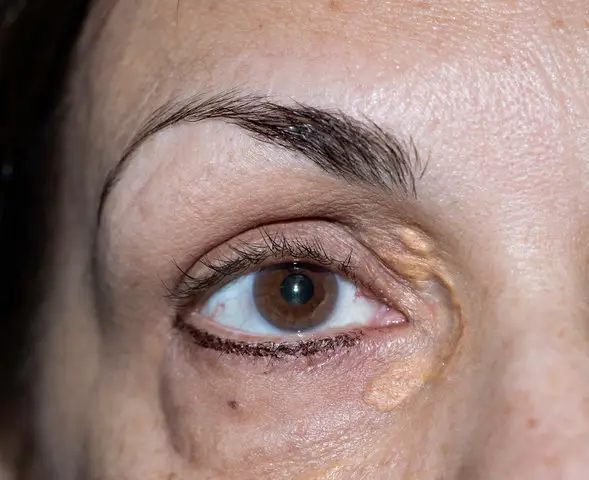
Xanthelasma are soft, yellowish cholesterol deposits that usually appear near the inner corners of the eyelids. They are generally harmless, but they often become a cosmetic concern and may sometimes be associated with high cholesterol, diabetes, thyroid issues, or other metabolic conditions.
At Balaji Skin Clinic, your case is assessed personally by dermatologist Dr Sandeep Gupta with 16 years experience post MD so the treatment plan is chosen carefully for the delicate eyelid area, with a focus on safety, minimal scarring, and natural-looking healing.
Book Consultation
Why Patients Prefer Specialist Care
- Careful examination of eyelid lesions before treatment.
- Procedure planning tailored to lesion size, depth, and skin type.
- Focus on minimal scarring and pigment change in a delicate area.
- Advice regarding lipid profile and related health evaluation when needed.
- Clear post-procedure instructions and follow-up support.
What Is Xanthelasma?
Xanthelasma palpebrarum is the most common type of cutaneous xanthoma and presents as soft, yellowish papules or plaques on the upper or lower eyelids, especially near the inner side of the eyes. These lesions are usually painless and are often removed because they affect appearance rather than vision or health directly.
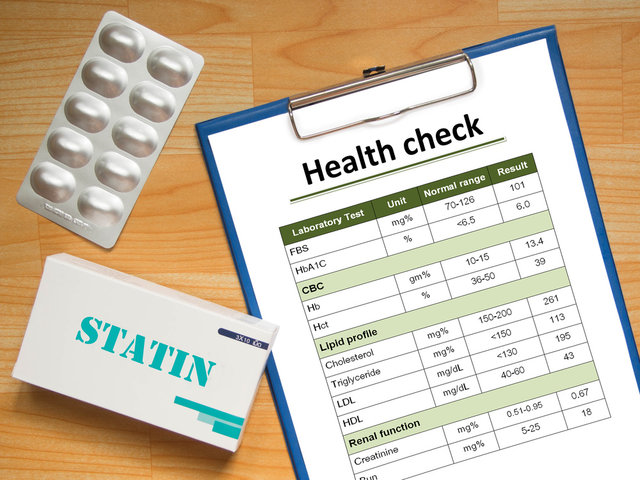
However, because xanthelasma can be associated with abnormal lipid levels and other systemic conditions, a dermatologist may advise relevant blood tests or medical evaluation before or after removal.
Common Causes
Xanthelasma is commonly linked with high cholesterol, high triglycerides, diabetes, hypothyroidism, liver disease, and inherited lipid disorders, although some patients may have normal lipid levels as well.
When To Seek Treatment
Most patients seek treatment because the plaques are visible and cosmetically bothersome. Larger lesions may become more noticeable over time and can be more difficult to treat neatly if ignored for years.
Why Evaluation Matters
Since xanthelasma can be associated with cardiovascular risk factors, treatment should not be seen as only cosmetic. Addressing cholesterol and related conditions may help reduce the chance of future lesions.
Treatment Options
Laser / RF / Procedure-Based Removal
Common treatment methods include laser therapy, radiofrequency-based removal,
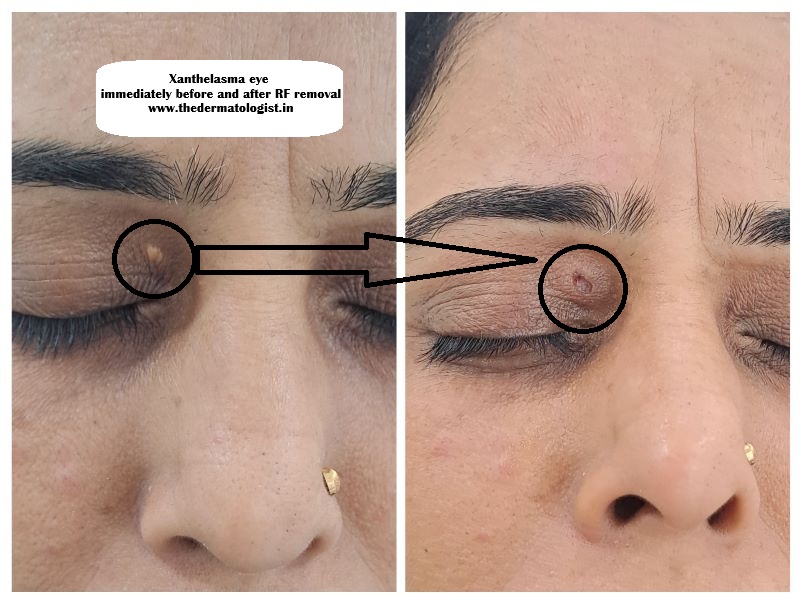
chemical methods, cryotherapy in selected cases, and surgical excision. The ideal method depends on the size, depth, and location of the lesion, along with your skin type and healing tendency.
Individualized Planning
Treatment near the eyelids requires a cautious approach because complications such as pigment change, scarring, pain, redness, infection, or eyelid distortion can occur if the lesion is deep or treated aggressively. A dermatologist selects the method to balance clearance with cosmetic outcome.
What To Expect During Your Visit
1. Consultation
The eyelid lesions are examined closely and your medical history is reviewed.
2. Assessment
You may be advised to get a lipid profile or share previous reports if available.
3. Procedure
Most treatments are minor outpatient procedures performed with proper care for the sensitive eyelid area.
4. Recovery
You receive instructions for healing, sun protection, and follow-up to monitor the result.
Frequently Asked Questions
Is xanthelasma dangerous?
Xanthelasma itself is usually harmless, but it may be a visible sign of high cholesterol or other metabolic issues, so medical evaluation is worth considering.
Can xanthelasma come back after removal?
Yes, recurrence is possible, especially if cholesterol levels remain high or there is an underlying tendency to develop these deposits. Managing lipid levels may help reduce the chance of new lesions.
Will treatment leave a scar?
The eyelid is a delicate area, so every procedure is planned carefully to minimize scarring and pigment changes. The exact risk depends on lesion depth, treatment method, skin type, and healing response.
Concerned About Yellow Patches Near the Eyes?
Book a dermatologist consultation for proper diagnosis and a personalized treatment plan for xanthelasma removal.