
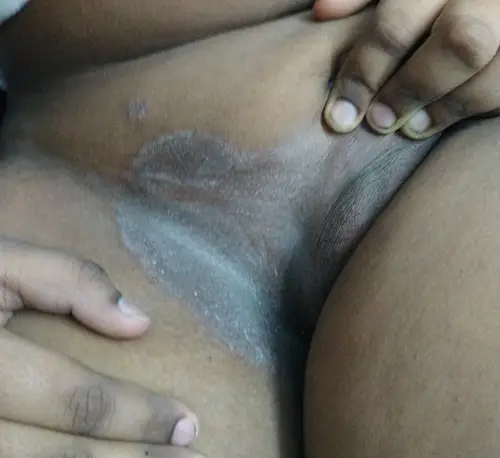
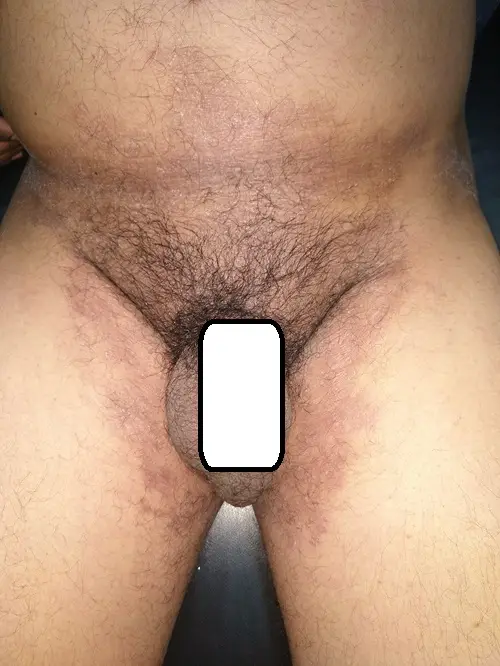
Fungal infection of Skin- Symptoms
Fungal skin infections can have various symptoms, so it's important to recognize the common signs for diagnosis. Symptoms often include itching, redness, and different types of skin irritation, which can look different and vary in severity. As the infection continues, other signs may appear, such as flaking, thickened skin, or blisters in the affected area. Recognizing these signs is crucial, as quick identification and treatment can help control the infection and lower the chance of it spreading.

Skin Fungal Infection Diagnosis Methods
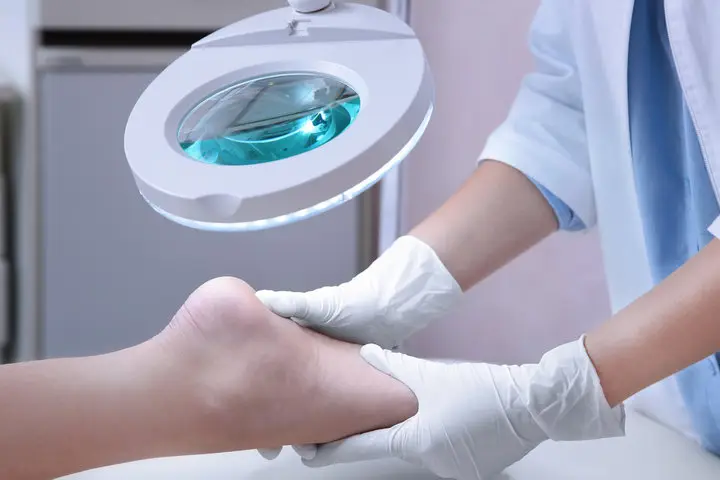
"Are you curious about how to diagnose fungal infections? Consulting a dermatologist is one of the best ways to get expert advice. In simple and friendly language, let’s walk through the process. Your dermatologist will first ask about your symptoms and medical history, including any previous skin issues. They may then conduct a physical examination of the affected areas. In some cases, they might take a sample of your skin, hair, or nails for laboratory testing. This helps identify the specific type of fungus causing the infection, allowing for an accurate diagnosis and effective treatment plan. Remember, early detection is key to treating fungal infections successfully!"
Skin fungal infection treatment
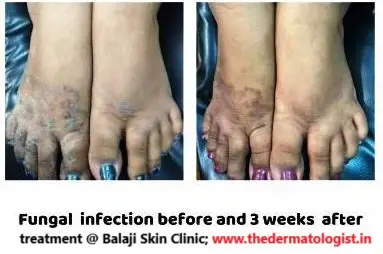
Are you curious about effectively treating fungal infections? Consulting a dermatologist is undoubtedly one of the best ways to receive expert advice tailored to your specific condition. Dermatologists have the knowledge and experience to help diagnose and recommend appropriate treatments that are both safe and effective. Remember, early treatment is crucial for the successful prevention of the infection's spread to other parts of your body as well as to others. Don't hesitate to seek professional help; timely intervention can make all the difference in promoting recovery and preventing recurrence!
Skin fungal infection Prevention
Fungal infection treatment is long and coslty.
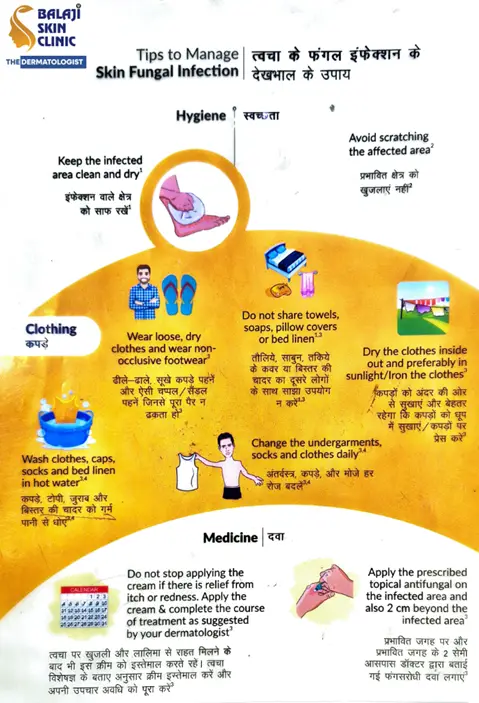
To prevent the recurrence of skin fungal infections, consider these tips:
1. Continue practicing good hygiene, even after the infection has cleared. Regularly wash and thoroughly dry areas that are prone to fungal infections, and avoid staying in damp clothing or shoes. 2. Using an antifungal powder or spray on areas that are more susceptible to infection, such as between the toes or in the groin, can help prevent the fungus from returning.
3. Make sure to treat all affected areas at the same time, especially if multiple body parts are involved or if family members are also experiencing fungal infections. This helps to prevent cross-infection.
4. Regularly clean and disinfect personal items like towels, bedding, and gym equipment. This helps eliminate any remaining fungi and reduces the risk of reinfection.
5. If you have health conditions such as diabetes or immune system issues, work with your healthcare provider to manage them effectively. Proper treatment of these conditions can help reduce the risk of fungal infections recurring.