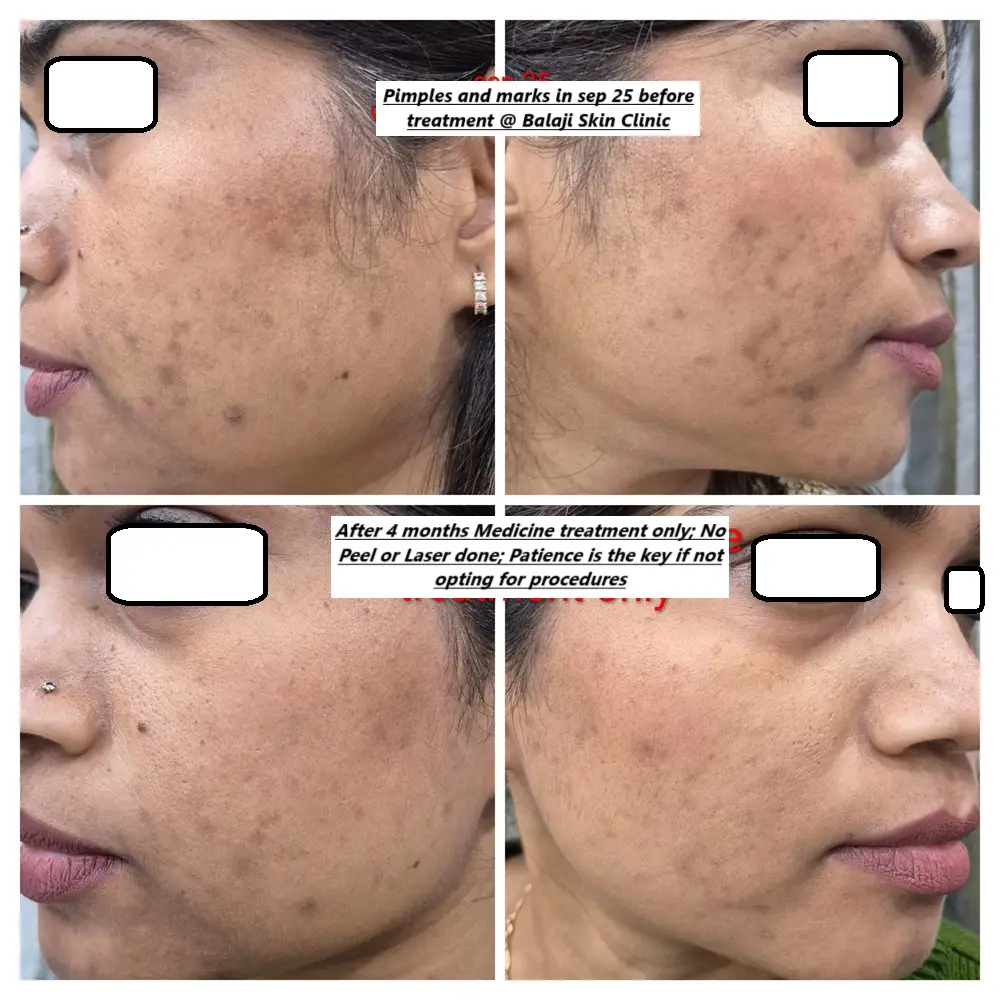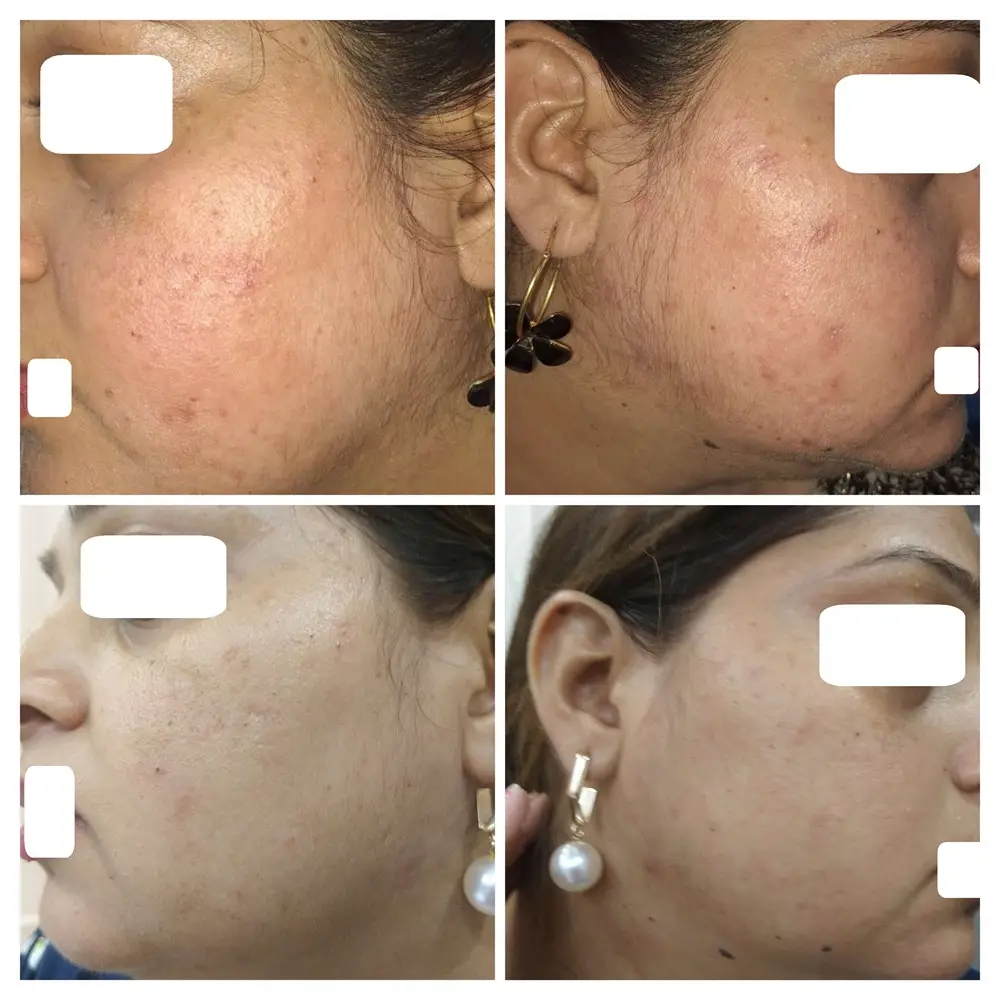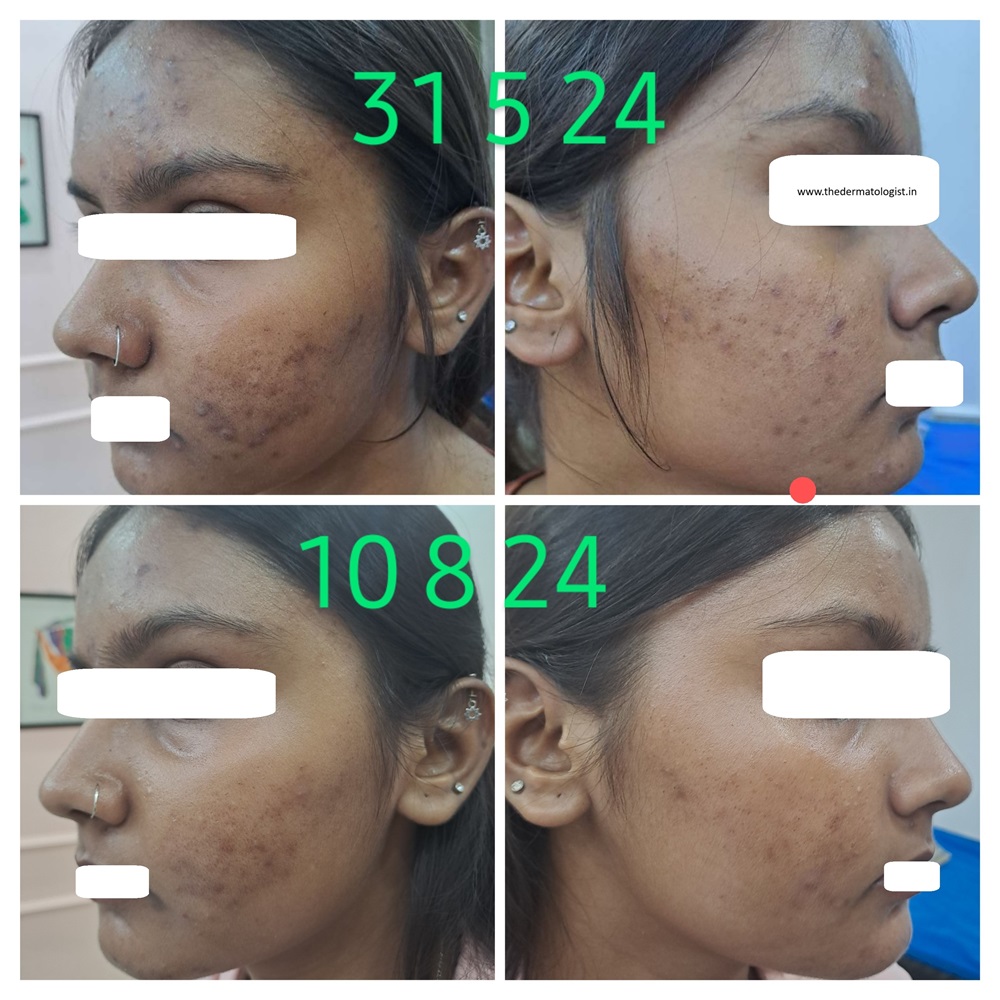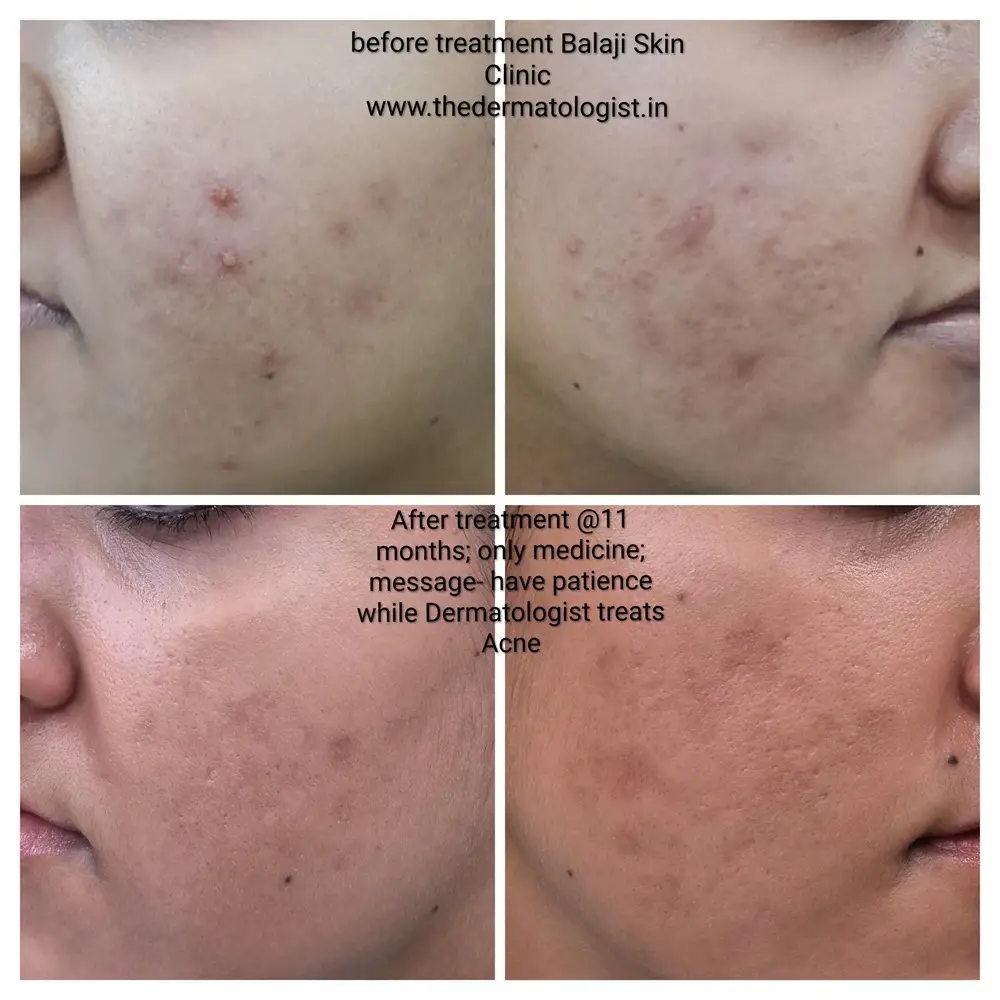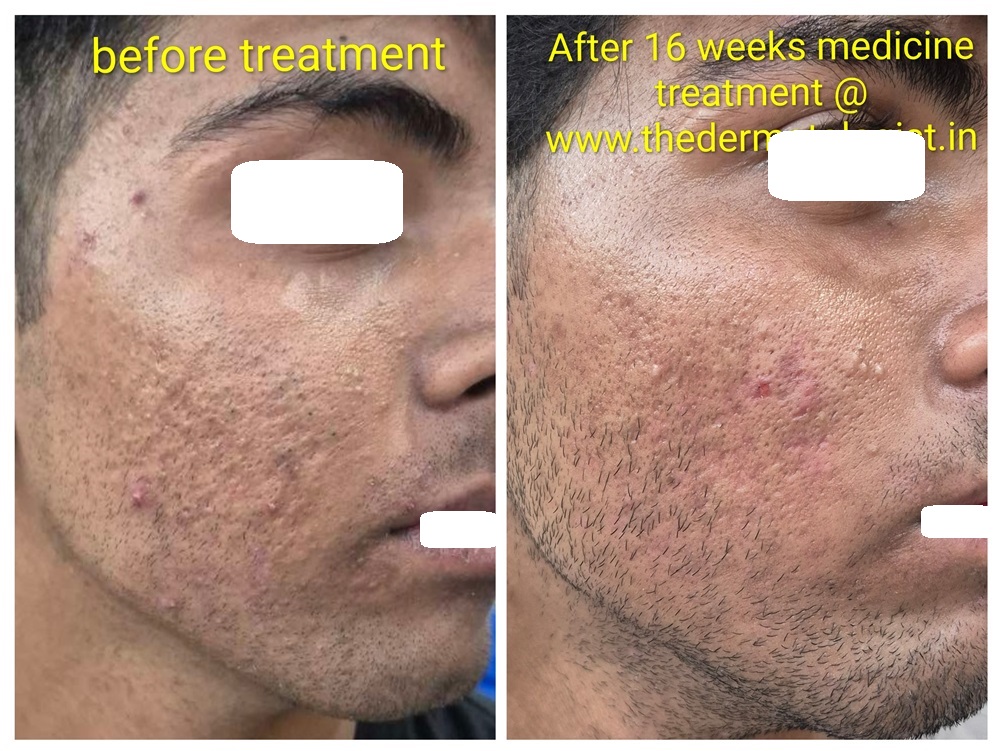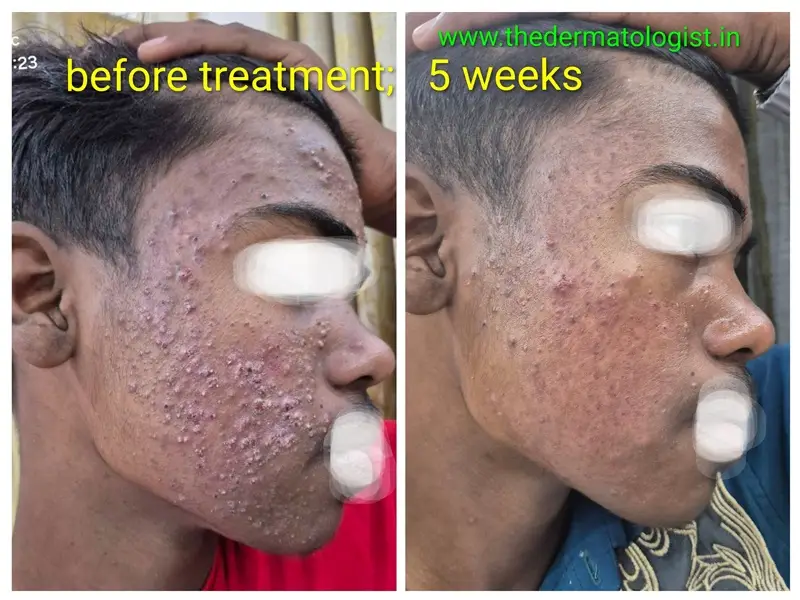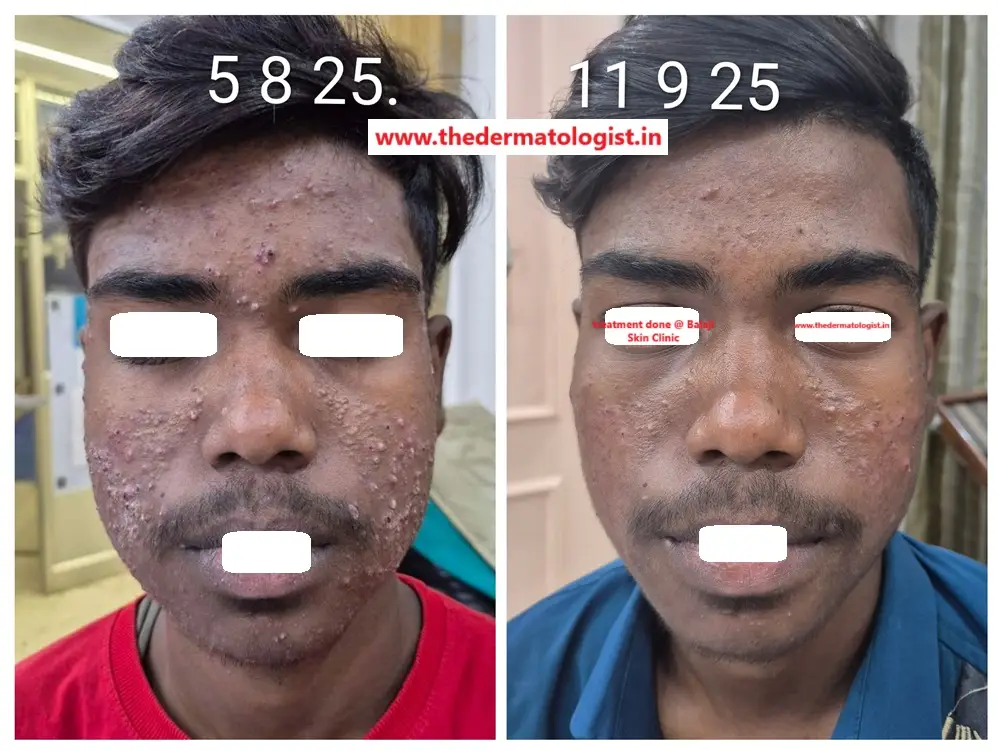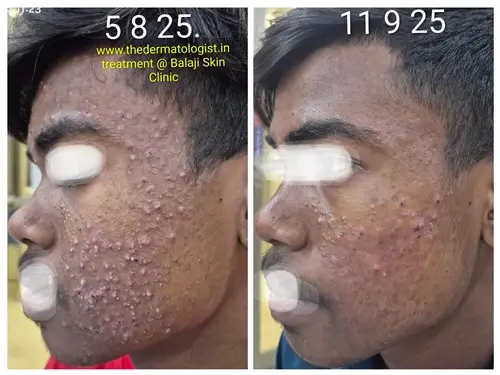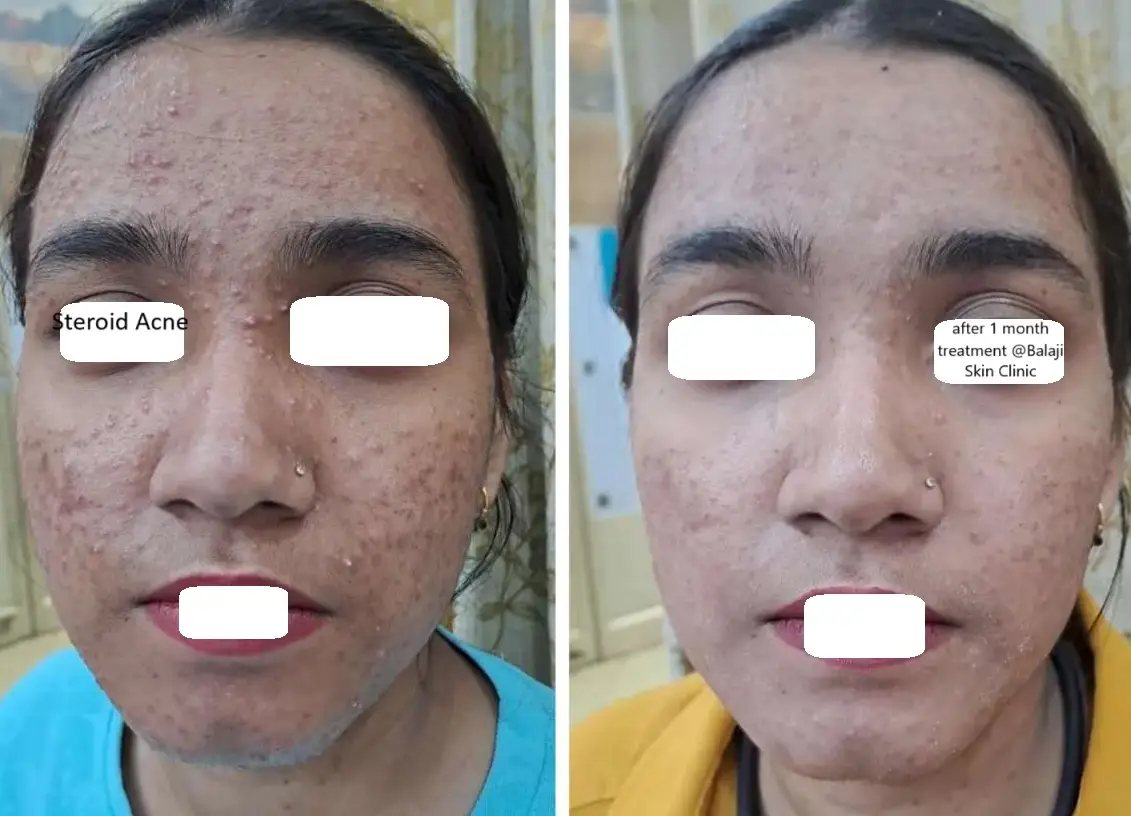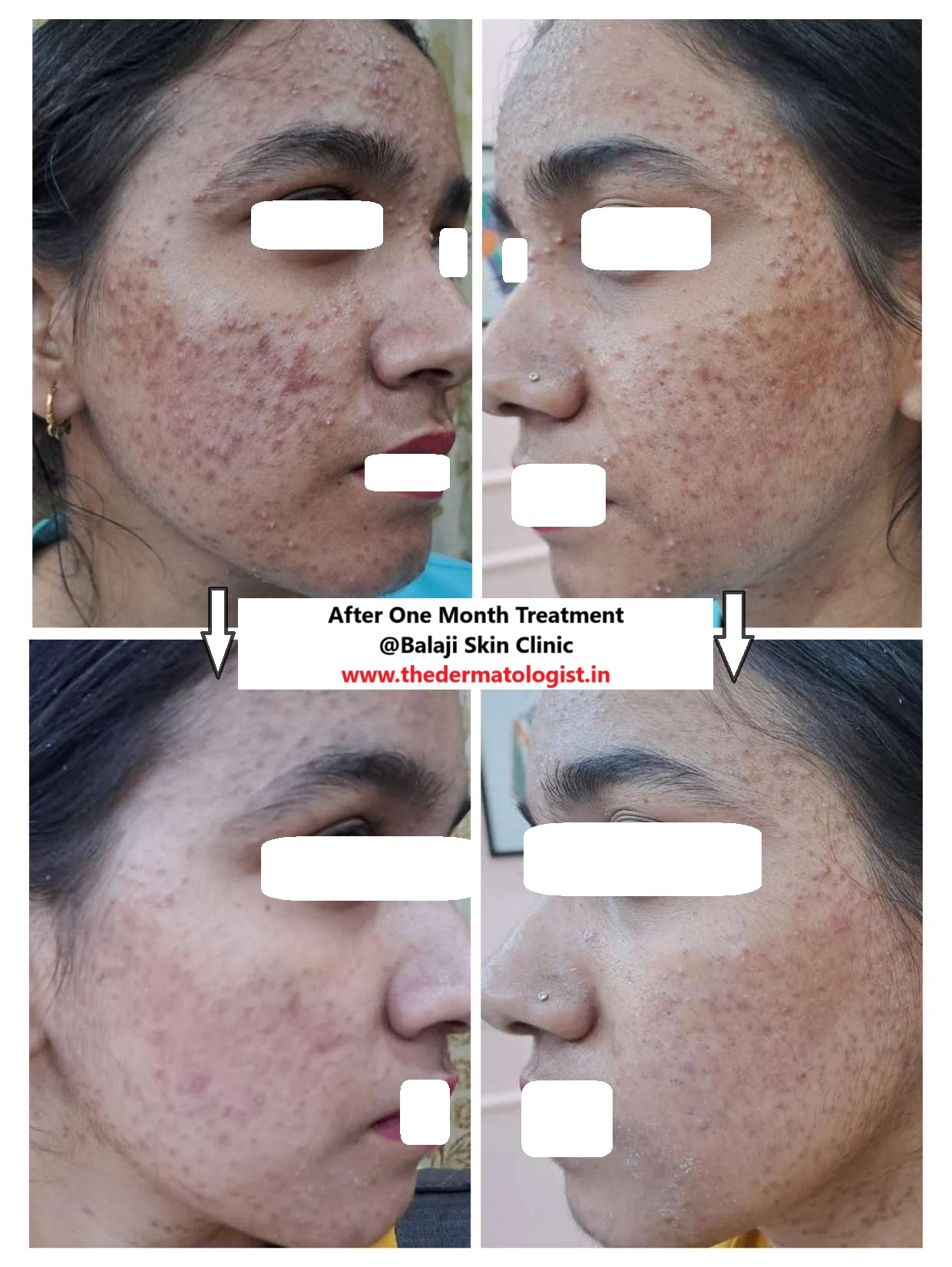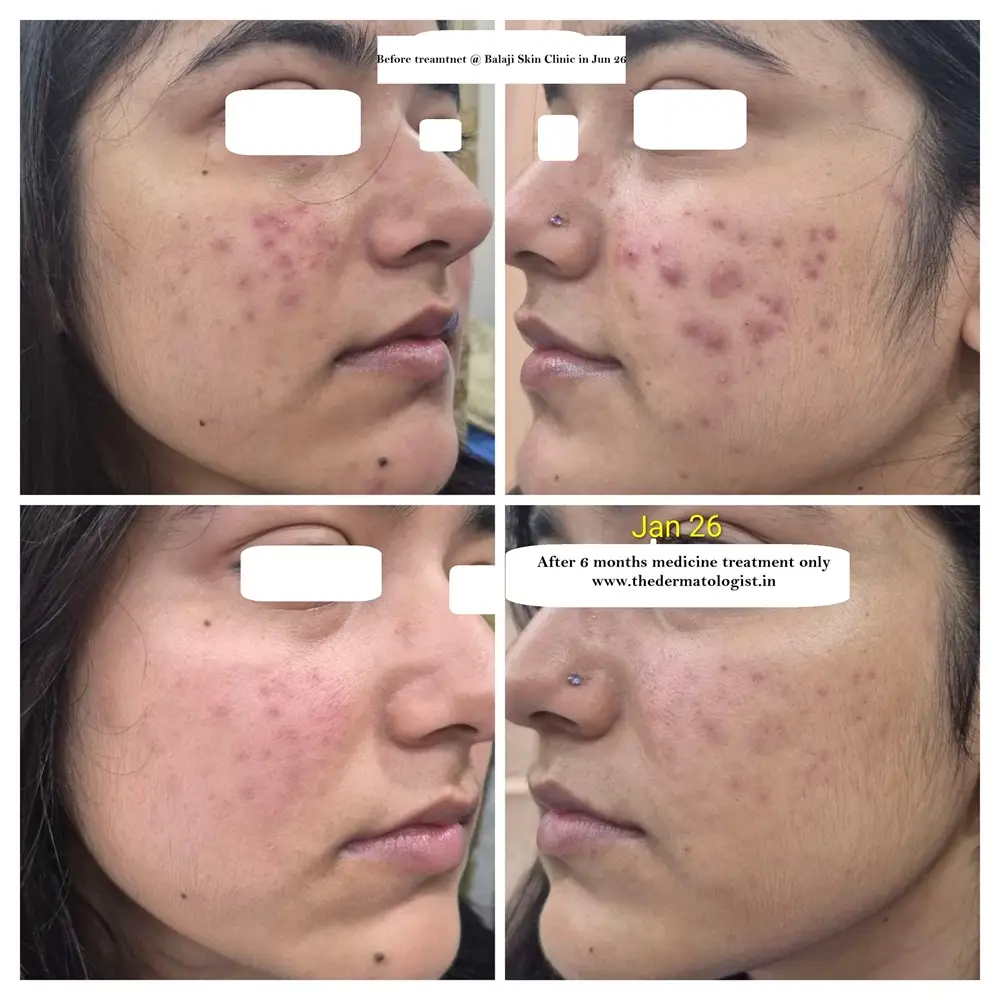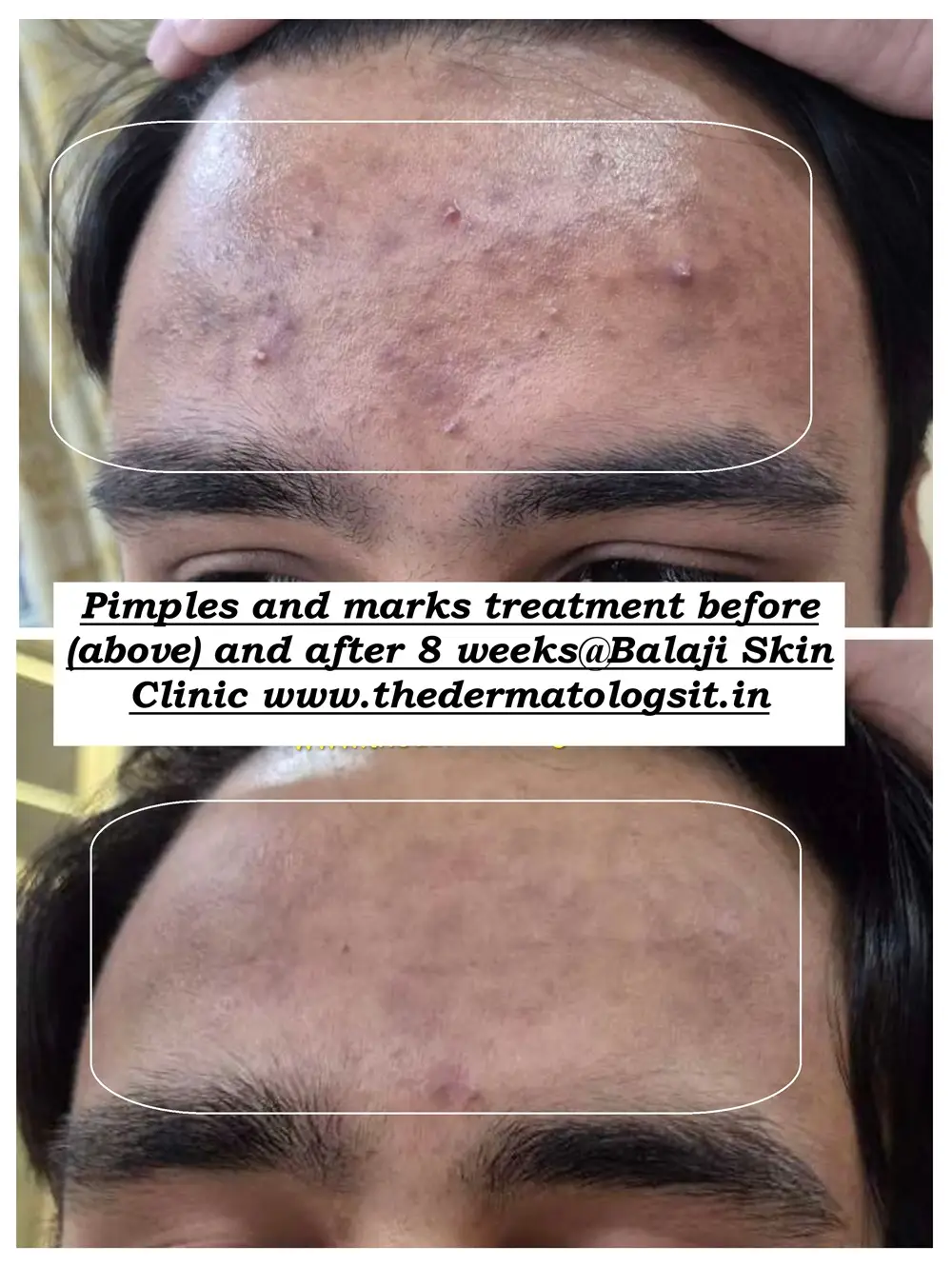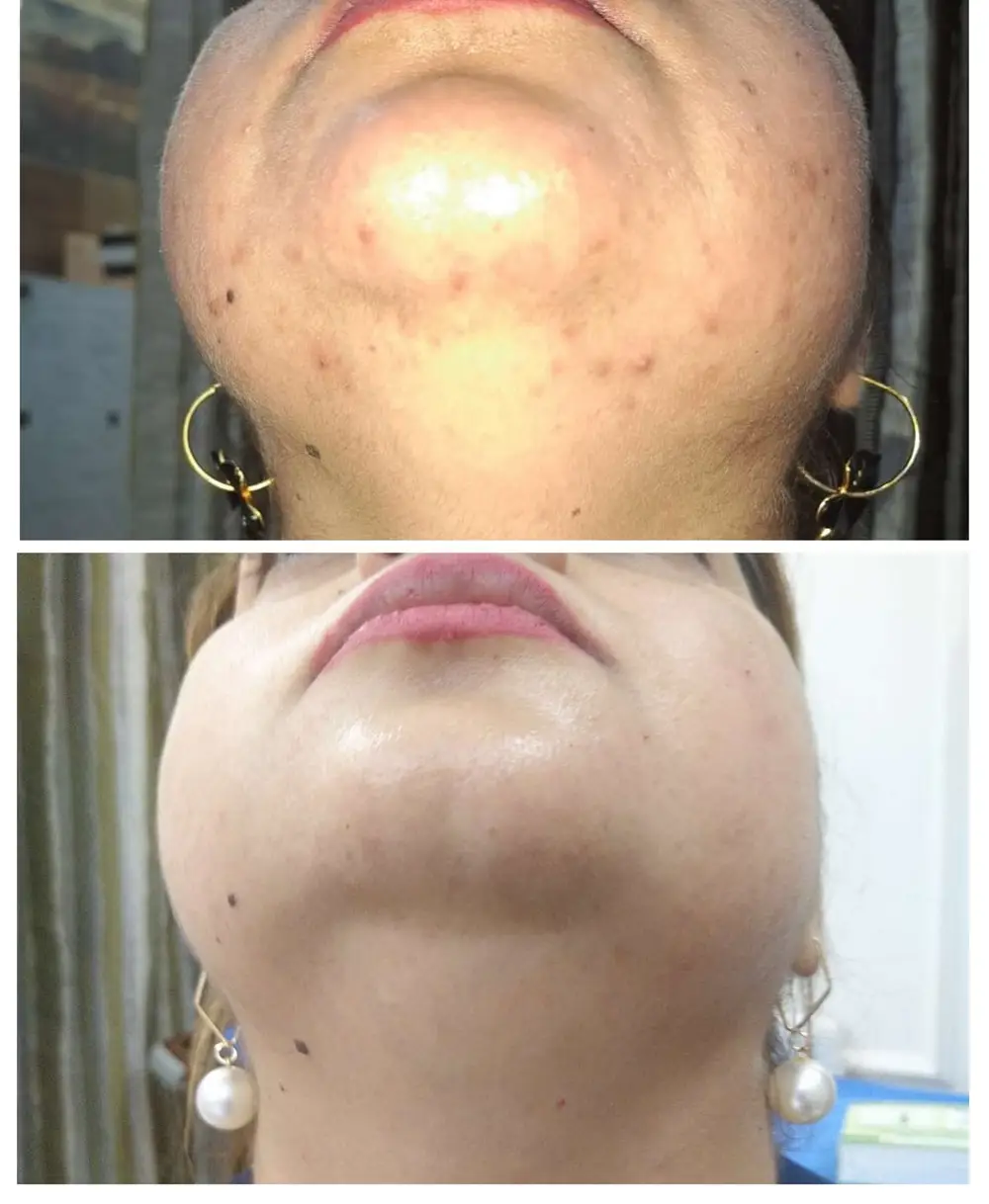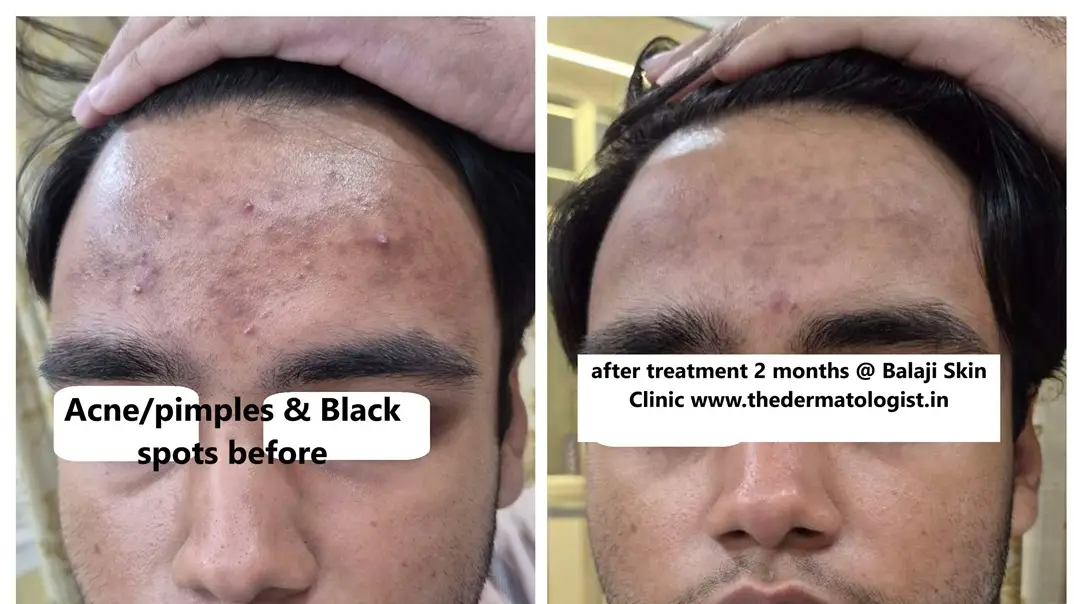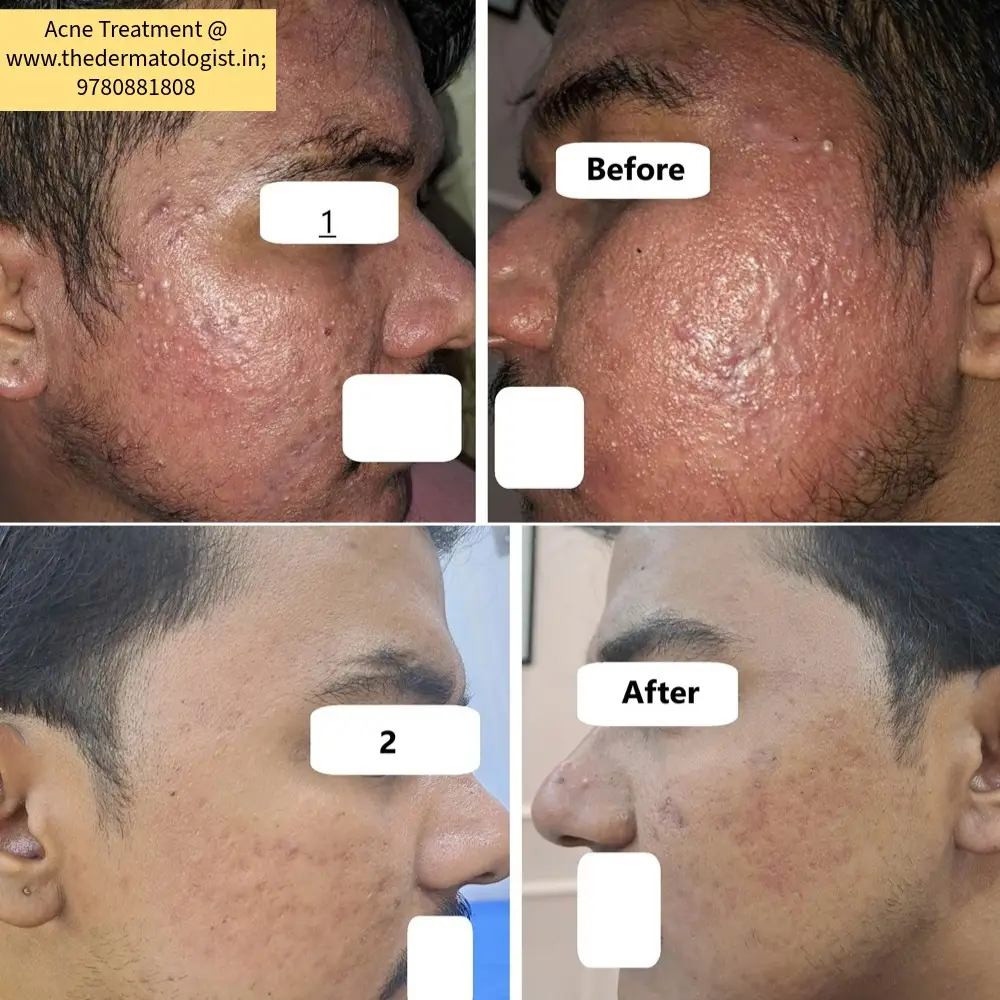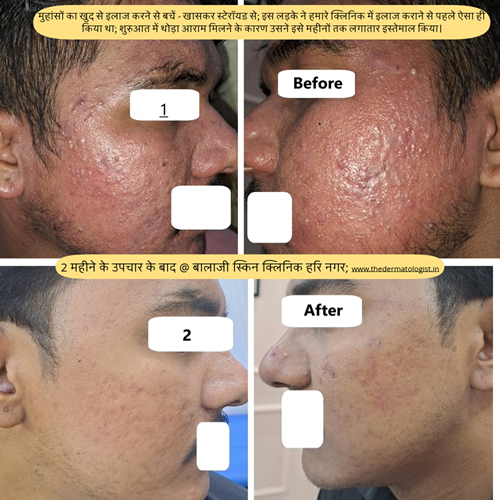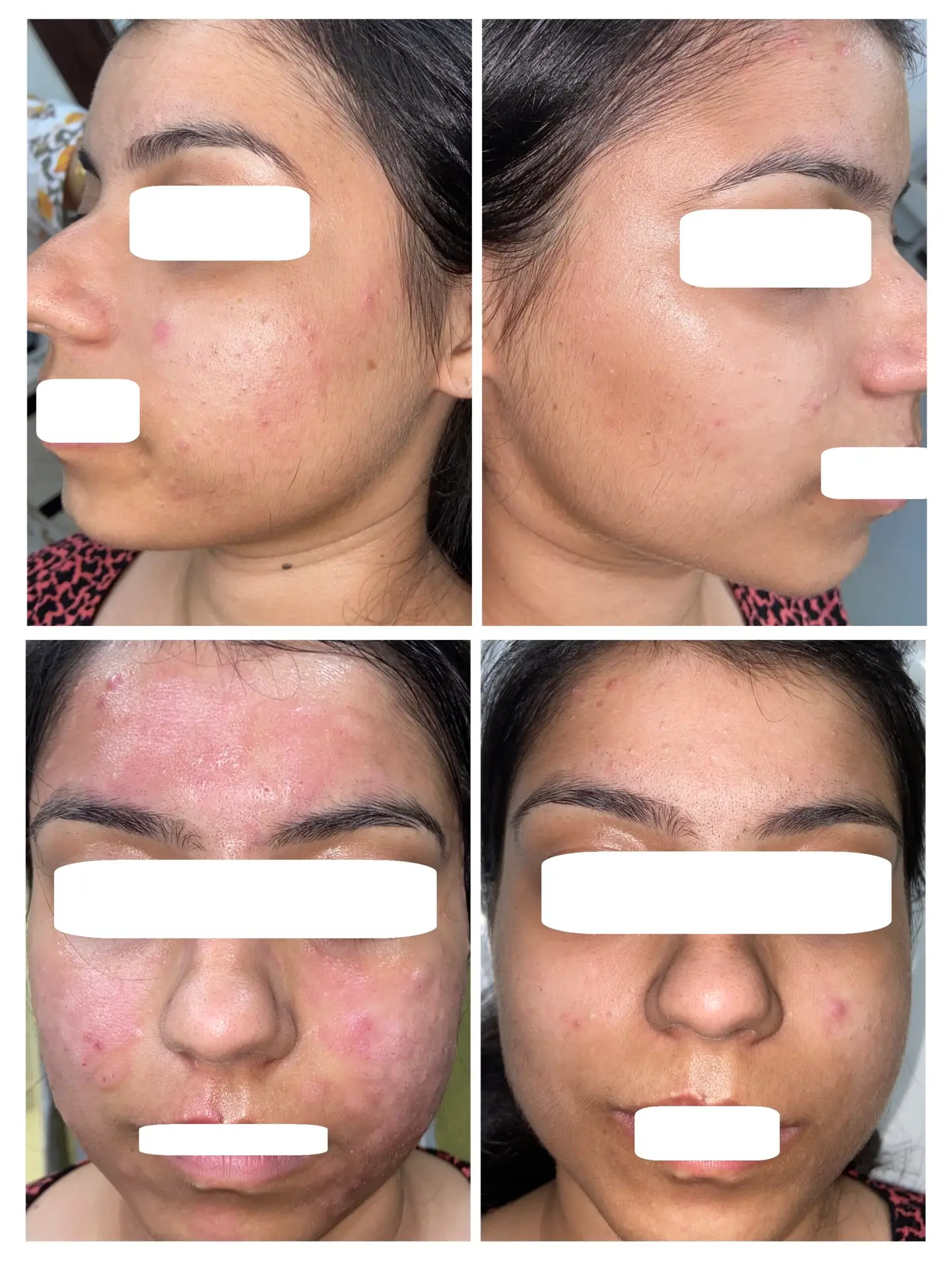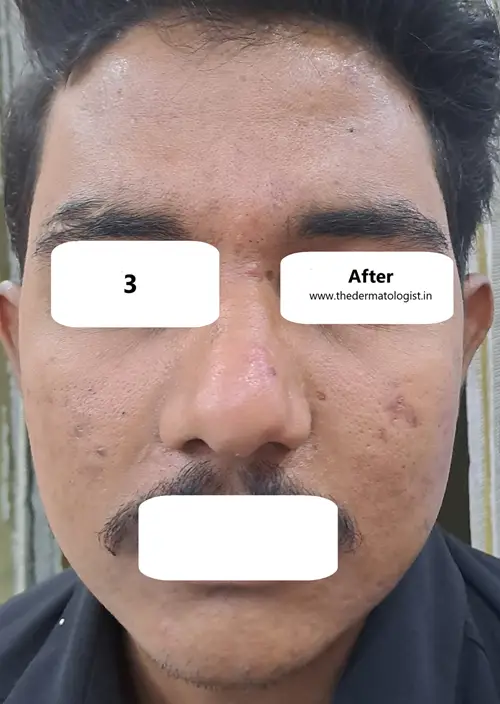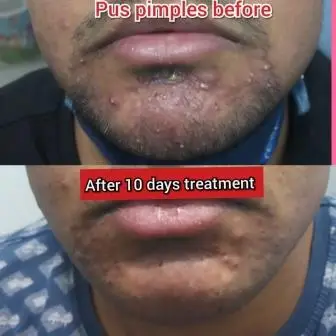
A patient’s story of Acne-
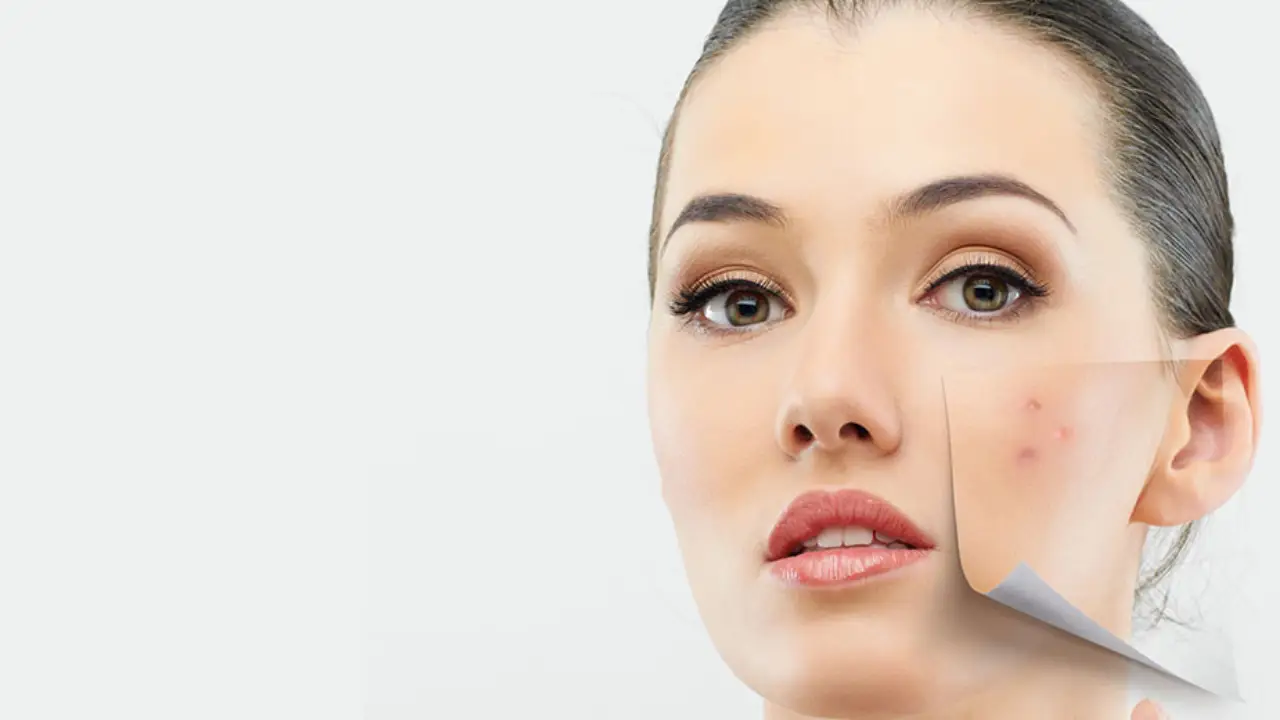
I first developed acne in high school. My family encouraged me to wash my face often with several over-the-counter products, which mostly exacerbated my symptoms. I was so embarrassed about my skin that I started to avoid spending time with friends. When my mother noticed this change, she agreed to take me to a dermatologist, who suggested topical antibiotics and benzoyl peroxide. These treatments caused substantial irritation, so I stopped using them promptly. I was sure that my acne was incurable, so I learned to live with it. When I reached adulthood, I began taking oral contraceptive pills, not knowing that they could affect the acne. Within a month of starting treatment, my acne improved dramatically. After six months, my lesions had nearly disappeared. I was thrilled to be disease free for the first time in nearly a decade but felt sad that this therapy had not been offered to me years earlier. I suspect this would have substantially improved my teenage confidence and self esteem.
A comprehensive systematic review found little evidence for an association between acne and poor facial hygiene and provided minimal support for frequent face washing.
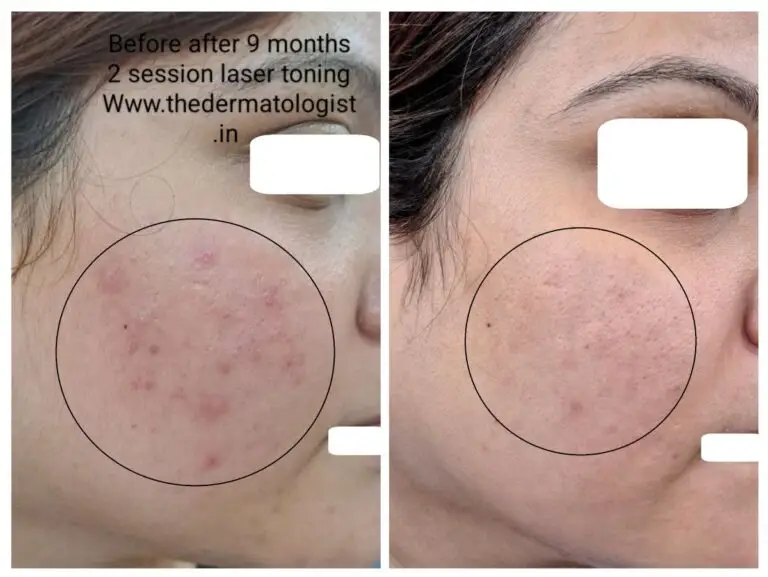
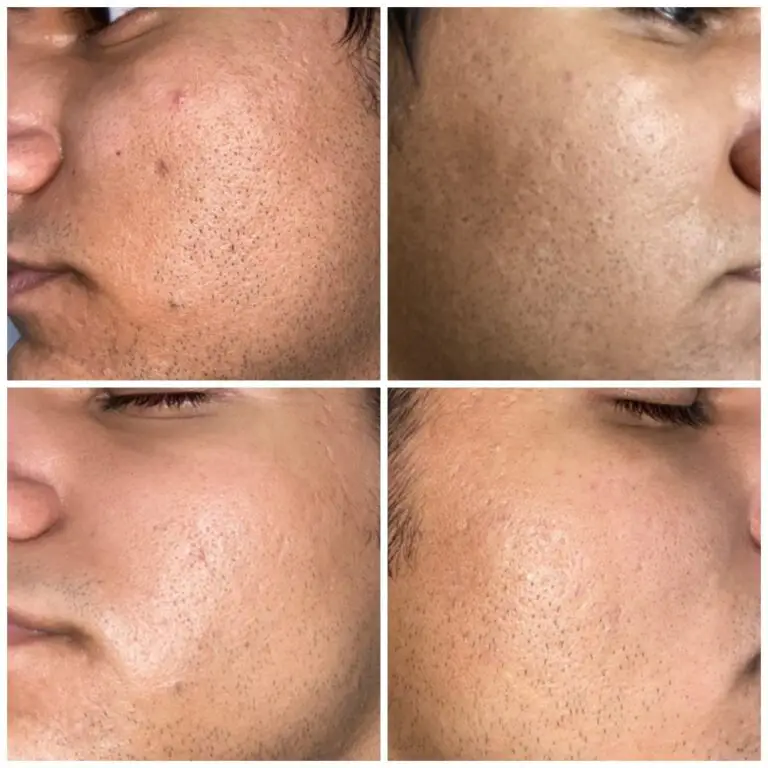
 Pimples are more common in those with Darker skin types worldwide.
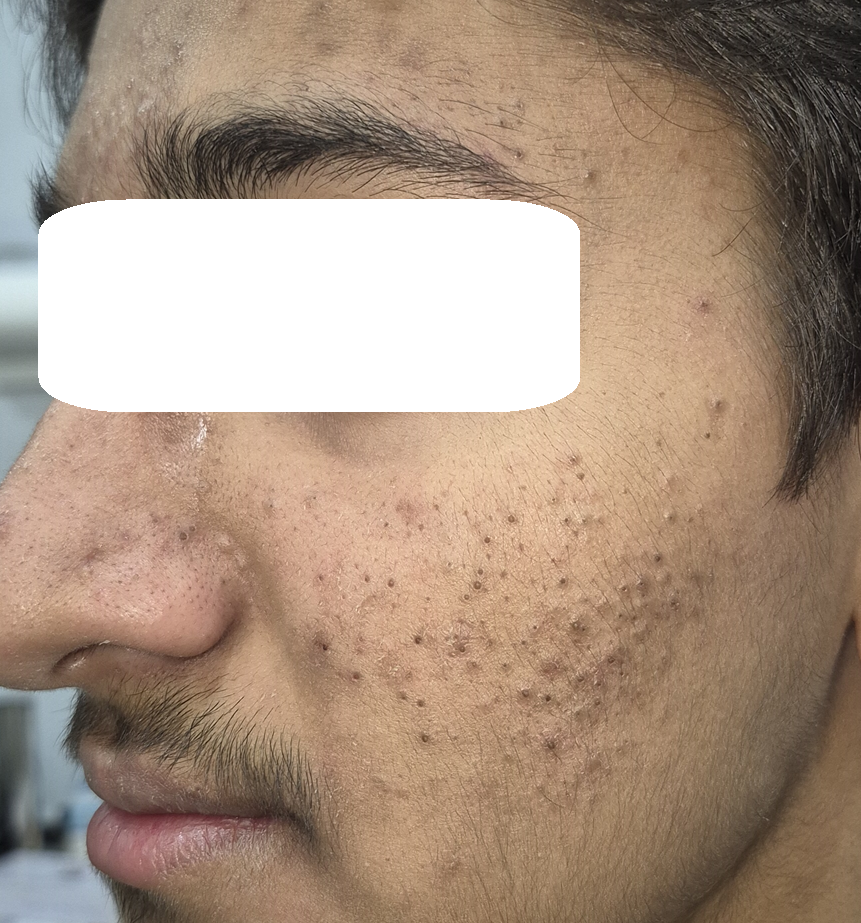
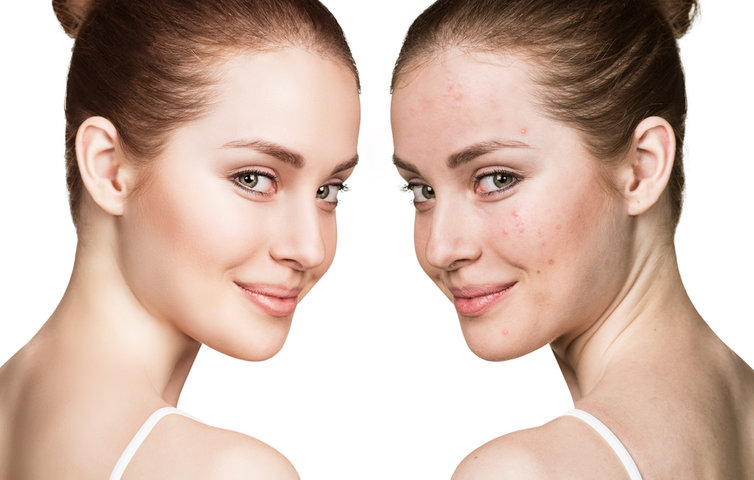
They’re caused by various factors: excess oil production, clogged pores, bacteria, hormonal changes, and genetics.
Types of Pimples: Whiteheads & Blackheads: Blocked pores with sebum and dead skin. Papules & Pustules: Inflamed, red, and pus-filled bumps. Nodules & Cysts: Deeper, painful lesions causing scarring.
Causes: Hormonal Changes: Puberty, menstrual cycle, pregnancy. Excess Oil Production: Sebaceous glands overproduce oil. Bacteria: P. acnes contributes to inflammation. Diet: High glycemic index foods, dairy, and certain fats.
Prevention Tips:
Skincare Routine: Gentle cleansers, non-comedogenic products. Healthy Diet: Limit sugar, dairy; focus on fruits, veggies, omega-3s. Hydration: Drink plenty of water to flush out toxins. Avoid Picking: Prevents further inflammation and scarring. Sun Protection: Use non-comedogenic sunscreen to avoid pore blockage.
Treatment Options: Topical Treatments: Benzoyl peroxide, salicylic acid, retinoids. Oral Medications: Antibiotics, hormone therapy (for hormonal acne). Professional Procedures: Chemical peels, laser therapy, extraction.
Myth Busting: Chocolate & Greasy Foods: Not direct causes but may exacerbate. Dirty Skin: Not the sole cause; excessive cleansing may worsen acne.
Consulting Dermatologist Dr Sandeep Gupta: Individual cases vary. Seek professional guidance for personalized treatment plans. Dermatologist Dr Sandeep Gupta can evaluate severity, recommend suitable treatments, and help prevent scarring.

Pimples on the buttocks, while not uncommon, can be uncomfortable and concerning for many. These bumps, often caused by folliculitis or acne mechanica, result from blocked hair follicles or friction against clothing.
Folliculitis occurs when hair follicles become inflamed due to bacterial or fungal infections, leading to pimple-like bumps. Hygiene, tight clothing, or excessive sweating can exacerbate this condition. Acne mechanica, on the other hand, arises from friction and pressure on the skin, commonly due to tight clothing or prolonged sitting.
Managing pimples on the buttocks involves maintaining proper hygiene and wearing breathable clothing to reduce friction and sweat buildup. Using antibacterial or antifungal cleansers can help prevent folliculitis. Keeping the area dry and clean, avoiding tight clothing, and using non-comedogenic moisturizers can alleviate acne mechanica.
In persistent cases, consulting dermatologist Dr Sandeep Gupta is advisable for tailored treatments such as topical antibiotics, retinoids, or oral medications
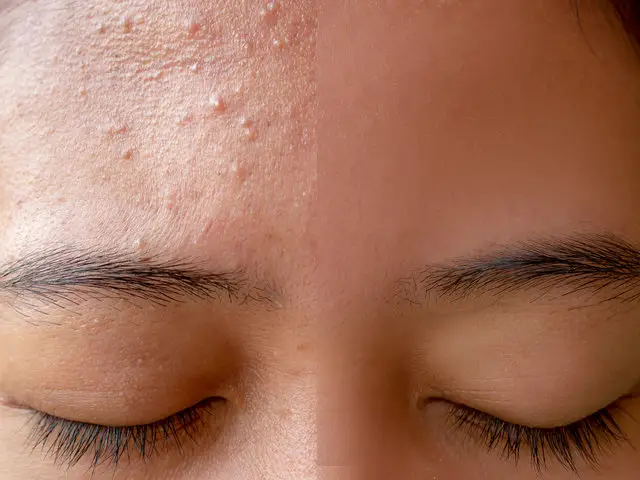 Small pimples acne
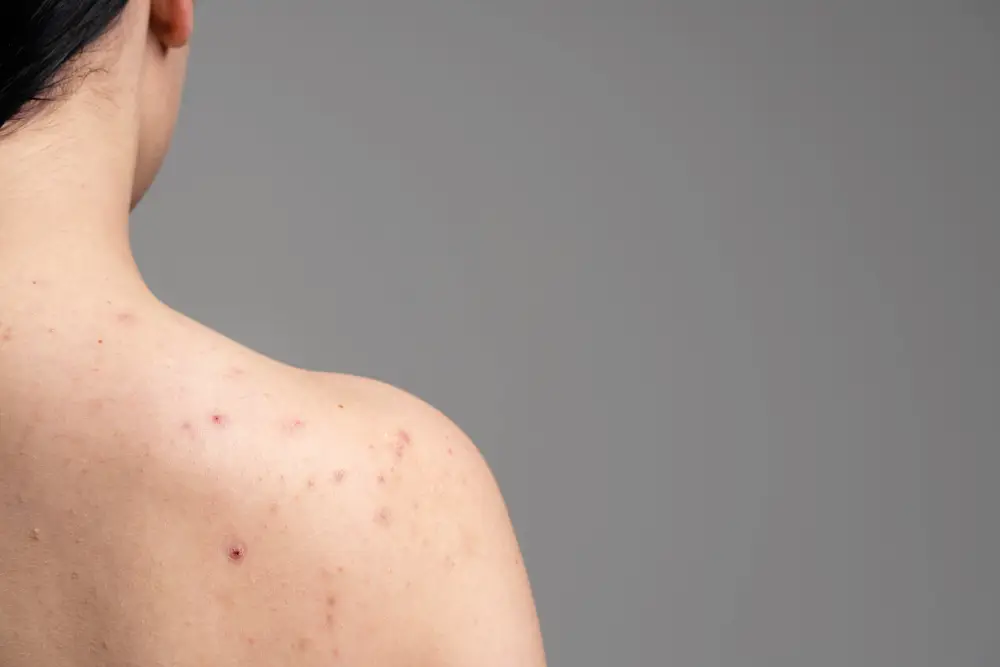
Truncal acne, also known as back acne, frequently results in scars and affects body esteem and self confidence. This remains an underestimated health issue that causes both a physical and an important psychological burden. Body pimples treatment is necessary. Excess oil production is not much of a factor in causing body acne. About 50% of patients having acne on the face also have it on the back. Truncal skin is also more vulnerable to mechanical stimuli such as sweat, oils, pressure, friction, and blockage than facial acne.
“Bodybuilding acne” has been proposed for individuals who have been administered anabolic androgenic steroids such as methandrostenolone, nandrolone, testosterone, oxandrolone, stanozolol, or methenolone, which are usually taken by bodybuilders.
As the truncal region is mostly exposed in summer, the impact of acne on the body may have seasonal variations.
Truncal acne remains an underestimated health issue that causes both a physical and an important psychological burden.