Nutrition and Hair Health
Healthy hair depends on adequate nutrition, balanced hormones, and overall wellness. In many patients, hair fall is worsened by dietary deficiencies, rapid weight loss, or restrictive eating patterns.
How Diet Affects Hair
Hair follicles are highly metabolically active, so they are often among the first tissues affected when the body lacks sufficient calories, protein, or key micronutrients. Low protein intake, iron deficiency, vitamin B12 deficiency, and other nutritional gaps can contribute to diffuse hair shedding or reduced hair density.
Important Nutrients
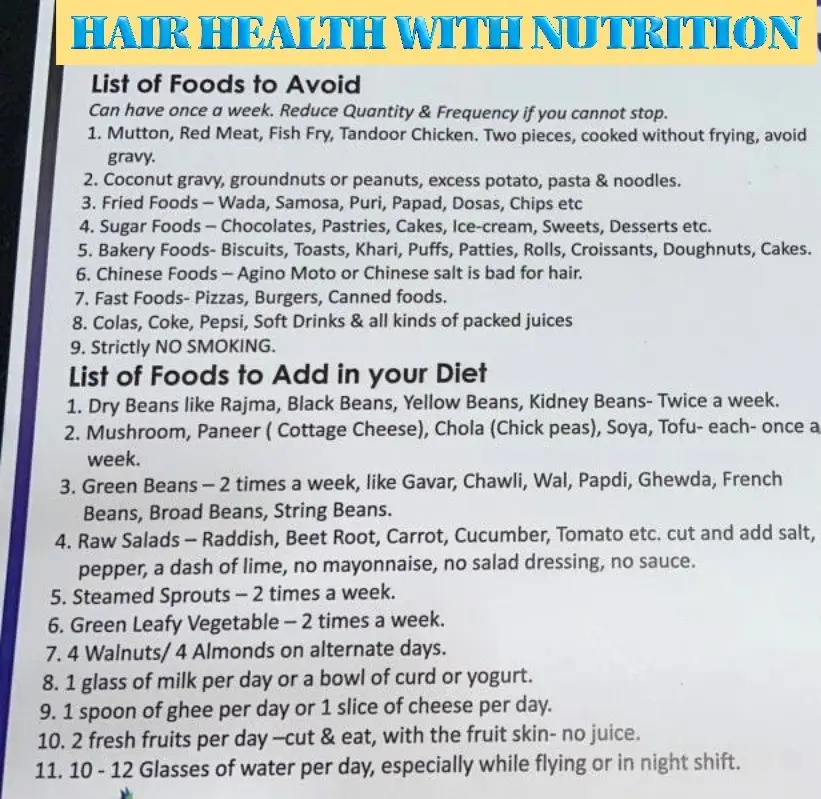
Protein is essential because hair is primarily made of keratin, a protein structure. Iron, vitamin B12, vitamin D, zinc, and omega-3 fatty acids also support normal hair growth and follicle function. Eggs, fish, dairy, legumes, nuts, seeds, leafy vegetables, and soy-based foods are commonly recommended as part of a hair-friendly diet.
Foods and Habits to Limit
Frequent intake of refined sugar, highly processed foods, and high-glycaemic diets may negatively affect metabolic and hormonal balance, which can indirectly influence hair health. Crash dieting and sudden weight loss are well-known triggers for telogen effluvium, a temporary form of hair shedding. Smoking and excess alcohol can further impair nutrient delivery and absorption, which may worsen hair quality over time.
Vegetarian Diets
A vegetarian diet can support healthy hair, but it needs careful planning to avoid deficiencies in vitamin B12, iron, protein, and omega-3 fatty acids. When needed, these nutrients should be assessed clinically and corrected under medical supervision rather than taken casually as supplements.
Food Safety and Quality
Concerns about processed food additives, preservatives, and the quality of animal products are common, but the most practical approach is to emphasize fresh, minimally processed foods and reliable protein sources. The goal is not perfection, but consistency with a balanced diet that supports both general health and hair growth.
Dermatology Advice
If you are experiencing increased hair fall, a dermatologist may advise evaluation for iron status, vitamin B12, vitamin D, thyroid disease, and other nutritional or medical causes. Treating the underlying deficiency or trigger is often more effective than relying on supplements alone.